















There are no bears permanently living in Lithuanian forests at the moment, but occasionally some wander in from Latvia or Belarus. In about a decade, they may settle here, although mushroom pickers should not be alarmed, scientists say.
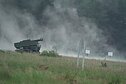
A moose cub runs from a Belarusian forest into the Čepkeliai Marsh in Lithuania, followed by a brown bear chasing it. Such a footage was captured by the border surveillance cameras at the Kabeliai Border Guard Station last week. Such occurrences may not be all that rare.
“Bear populations are expanding in other countries where they have always been historically present – Estonia, Latvia. And there’s not enough room anymore, so they’re migrating south to Lithuania,” says naturalist Marius Čepulis.
Bears also come from Belarus, although the recently built border fence makes it more difficult. Brown bears still manage to make it, as evidenced by the footage captured by border guards at the Čepkeliai Marsh more than a month ago: a bear wandering into Lithuania for a few hours.

“There are at least 4–6 bears in Lithuania at the moment [...], in Utena, Kupiškis, Ignalina, and Širvintai. And there was a very recent face-to-face encounter between a man and a bear, in the daytime, at 11:00,” says Čepulis.
“These cases may become more frequent now because people are flocking to the forests, mushroom pickers are now the first ones to come,” adds naturalist Selemonas Paltanavičius.
He says bears are not yet permanent residents of Lithuania and are only exploring possible habitats here. But in about a decade, there is likely to be a permanent bear population.
“There is enough food for the bears in our nature, there should be enough peace and quiet, and we have plenty of forests. Therefore, 200 or 300 bears can live well in Lithuania,” Paltanavičius believes.

According to Čepulis, naturalists are waiting for the first bears to have cubs in Lithuania.
According to Paltanavičius, there used to be a permanent bear population in Lithuania about a century and a half ago. Now, they are returning to forests that have changed.
“The most important thing is peace and quiet because active deforestation, any kind of forest work will drive the bears away. In the summer they will stay in areas that are more marshy, where people don’t go, and they won’t go to pine forests,” he says.
Bears, or any wild animals, avoid crossing paths with people, naturalists say.
However, if it so happens that one encounters a bear in a forest, the important thing is to keep calm – do not run, do not shout, do not provoke the beast and calmly retreat to a safe place.

Newsletter
Every Friday morning.